
Key Takeaways
- Speed matters: the first follow-up call should happen the same day or the next morning.
- Lead with the customer’s experience, not a price drop. "How did we do?" opens more doors than "Are you ready to buy?"
- Most unsold customers have one specific obstacle. Your job is to find it, not to re-pitch the car.
- Every successful call ends with a specific appointment: day, time, who they’ll meet and why.
- Pass the context to the salesperson so the customer doesn’t start over when they return.
Why Does the Follow-Up Call Matter So Much?
A customer who walked into your showroom has already done the hardest part. They picked your store, gave you their time and looked at a vehicle. Your advertising worked. Your website worked. They showed up.
When they leave without buying, the deal isn’t dead. It’s unfinished. In my years on the floor and since, I’ve watched a well-handled follow-up call bring back customers the sales team had already written off.
We covered the cadence and the economics in Unsold Showroom Traffic: Recover the Deals You Already Paid For. This post is about the conversation itself: what to actually say when the customer picks up.
How Soon Should You Call an Unsold Showroom Customer?
Within 24 hours, and the same day whenever possible. The customer still remembers the vehicle, the salesperson and the numbers. Wait three days and they’ve visited two more stores, and your offer is just one of several in their head.
How Should You Open the Call?
Don’t open with a deal. Open with the visit. Something like:
“Hi Sarah, this is Mike calling on behalf of the management team at Smith Toyota. You visited us yesterday and worked with James on the RAV4. I wanted to thank you for coming in and ask how we did.”
This works for three reasons:
- It’s a courtesy call, not a sales call, so the customer’s guard stays down.
- Calling "on behalf of management" signals the visit mattered to the store, not just to one salesperson.
- "How did we do?" invites honesty. Customers will often tell you exactly what went wrong.
What Questions Uncover Why They Didn’t Buy?
Once the customer is talking, find the real obstacle. Useful questions include:
- "Did you find the vehicle you were looking for?"
- "Was there anything about the visit that didn’t go the way you hoped?"
- "What would need to be different for this to make sense for you?"
- "Is anyone else involved in the decision that we should include next time?"
- "Are you still looking, or did you find something elsewhere?"
Then listen. Don’t interrupt with a counter-offer. The customer is giving you the roadmap to the deal.
How Do You Handle the Most Common Objections?
| What the Customer Says | What It Often Means | A Better Next Step |
|---|---|---|
| "The price was too high." | The payment, trade value or total didn’t fit their budget. | Ask which number mattered most, then offer a visit to review options with a manager. |
| "I need to talk to my spouse." | The decision-maker wasn’t there. | Invite both of them back at a time that works for both. |
| "I’m just looking." | Timing isn’t right, or they didn’t feel heard. | Ask about their timeline and what they’re hoping to find. |
| "You didn’t give me enough for my trade." | Their expectation and the appraisal didn’t meet. | Offer a second look by a used-car manager with the vehicle present. |
| "You didn’t have the color/trim I want." | Inventory, not interest. | Check incoming units or dealer trades and call back with a specific match. |
| "I bought somewhere else." | The sale is lost, but the relationship isn’t. | Thank them, ask what made the difference, and invite them to service with you. |
Notice what’s missing: no one on the phone is negotiating. The follow-up caller’s job is to understand the obstacle and get the customer back in front of someone who can solve it.
How Do You Book the Return Visit?
Never end with "stop by anytime." That’s not an appointment. A real appointment has four parts:
- A day and time: "Would Thursday at 5:30 or Saturday at 10 work better?"
- A person: the salesperson or manager who will be ready for them.
- A purpose: a second appraisal, a specific vehicle, a payment review with both decision-makers.
- A confirmation: a reminder before the appointment, so it actually shows.
For more on keeping those appointments from turning into no-shows, see how dealerships can improve appointment show rates.
What Should Happen After the Call?
Write down what you learned and pass it to the sales team before the customer arrives. The salesperson should know the vehicle, the obstacle and the promise that was made on the phone. Nothing kills a returning customer’s confidence faster than having to explain everything again.
If the customer doesn’t answer, leave a short, friendly voicemail and try again at a different time of day. Persistence matters, but so does tone. You’re following up on their visit, not chasing them.
Who Should Make These Calls?
Ideally, someone other than the salesperson who worked the deal. A neutral caller hears things the customer won’t say to the salesperson, and they make the call every day, even when the floor is busy.
That’s the core of the Unsold Showroom Traffic program at BF Promotions: every unsold visitor gets a real conversation, and every good conversation ends with a confirmed appointment on your sales team’s calendar.
The customer already came to you once. The right phone call gives them a reason to come back.
Frequently Asked Questions
How soon should a dealership follow up with an unsold showroom customer?
Within 24 hours, and the same day whenever possible. The customer still remembers the visit, the vehicle and the numbers, and they have not yet committed to another dealership.
What should you say on a follow-up call to an unsold customer?
Open by thanking the customer for visiting and asking how the dealership did. Then ask what kept them from moving forward, listen for the real obstacle, and offer a specific next step that addresses it.
Who should make the unsold showroom follow-up call?
Ideally a neutral caller, such as a BDC representative calling on behalf of management, rather than the salesperson who worked the deal. Customers are often more candid with someone who was not part of the negotiation.
How do you handle the objection "I need to talk to my spouse"?
Treat it as a sign the decision-maker was not present. Instead of pushing, invite both people back at a time that works for both of them and make sure the salesperson is prepared for the visit.
What makes a follow-up appointment more likely to show?
A specific day and time, a named person who will meet them, a clear purpose for the visit and a confirmation before the appointment. "Stop by anytime" is not an appointment.
What is a be-back customer?
A be-back is a showroom customer who left without buying and later returns to the dealership. A structured unsold showroom follow-up program is designed to turn more unsold visitors into be-backs.
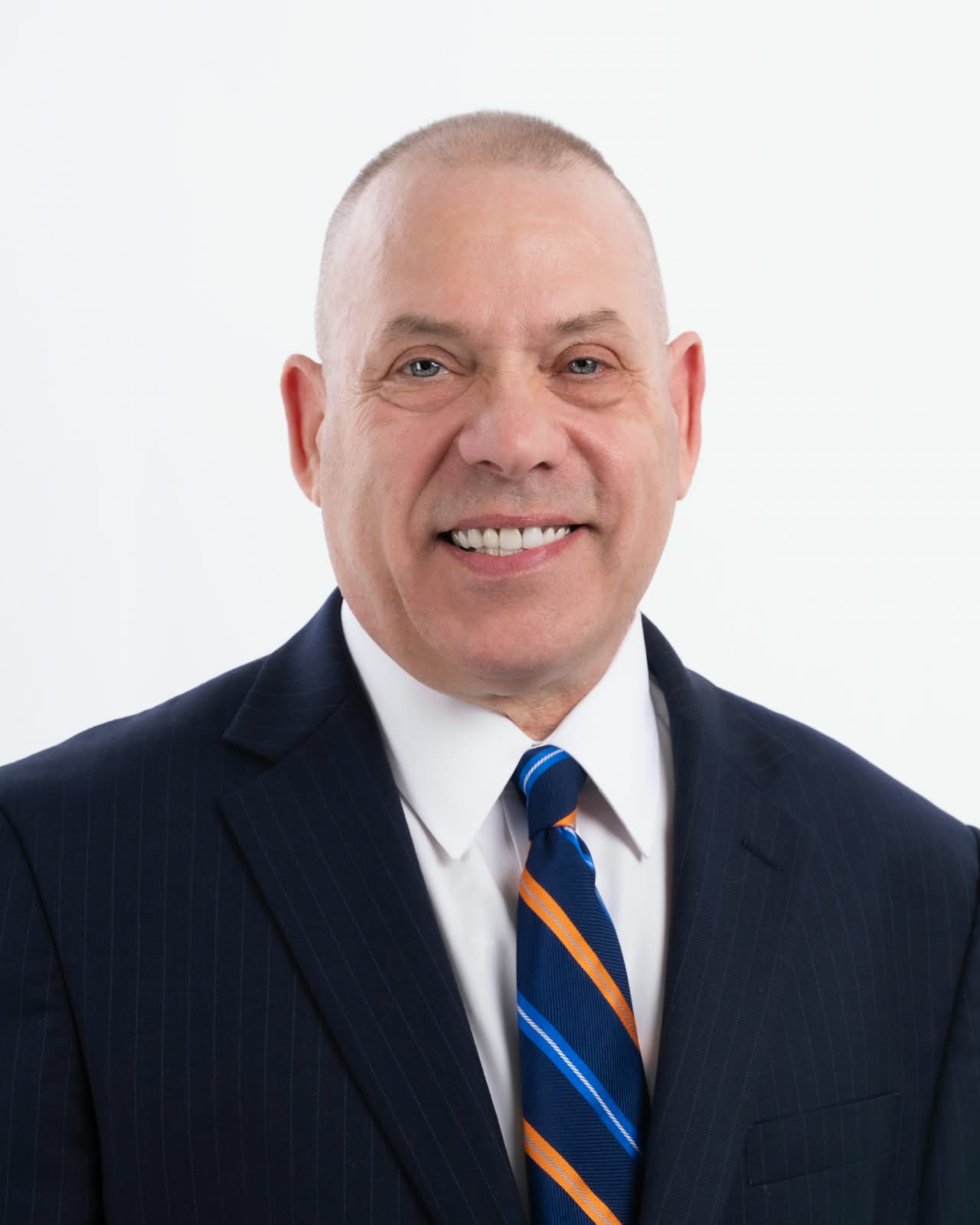
Barry Farber is the founder of BF Promotions, an outsourced automotive BDC and appointment-setting company for franchise dealerships. He spent 8 years on the dealership floor in sales, finance and management and has run BF Promotions programs for 47+ franchise dealers nationwide. More about Barry →
Every Unsold Visitor Deserves a Real Conversation
BF Promotions calls every unsold showroom customer, finds out what kept the deal from happening and books confirmed return appointments for your sales team. Barry Farber has run this program for 47+ franchise dealers nationwide, working traffic your store already paid for.
Schedule a Free Consultation →Or call Barry directly: 914-447-7405