
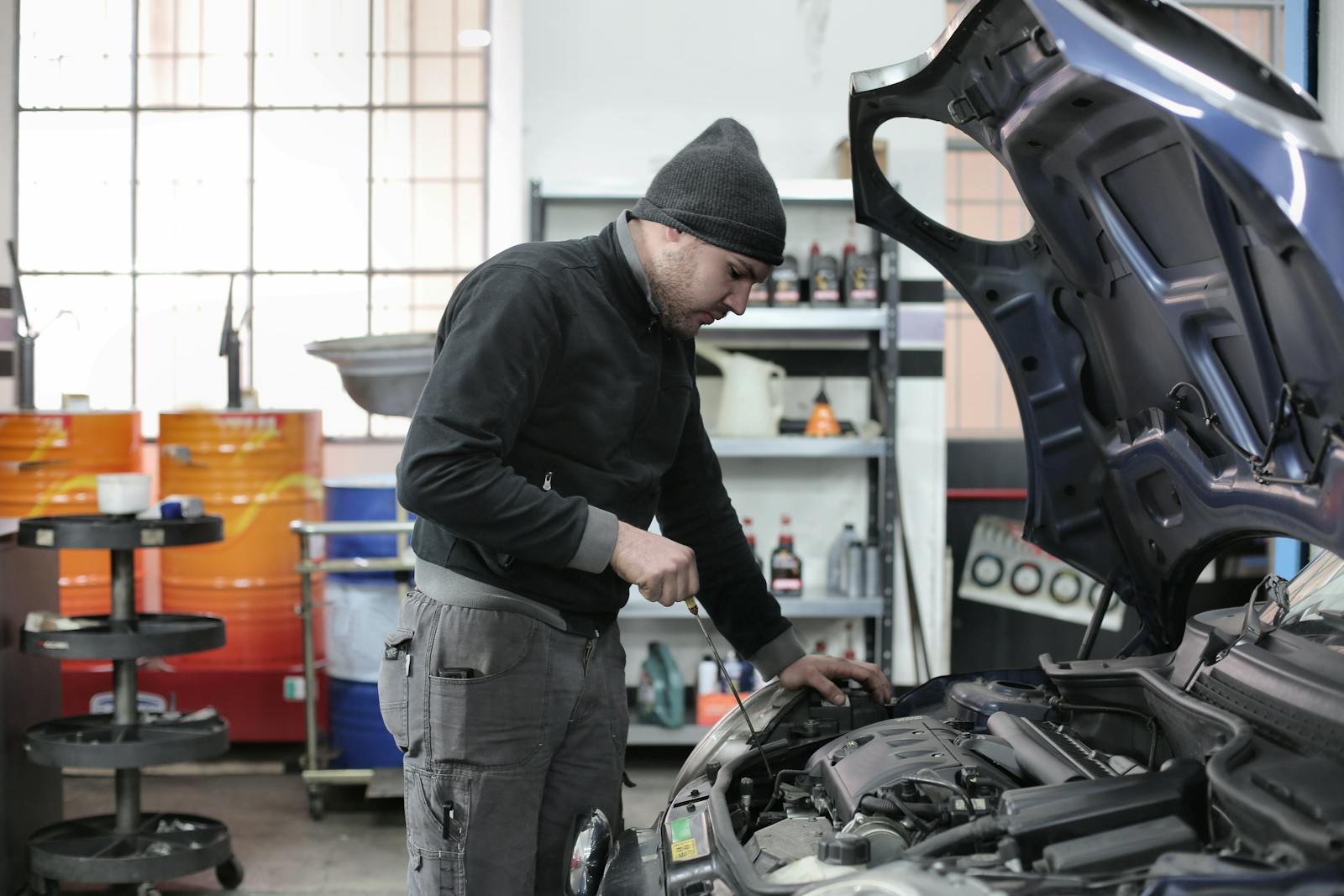
Your Best Next Car Buyer May Already Be Sitting in Your Service Waiting Room
The problem is that most dealerships handle that opportunity one of two ways. They ignore it completely, or they attack it so aggressively that the customer immediately feels like someone turned an oil change into a sales pitch. Both approaches leave money on the table. There is a better way.
Your Service Customer Is Different From an Internet Lead
Think about what had to happen before a customer showed up in your service drive. They already chose your dealership. They already own a vehicle. They've trusted you enough to hand you the keys. You may know their vehicle, mileage, service history and ownership history. In many cases, your CRM already contains enough information to identify whether that customer may be approaching a point where replacing the vehicle deserves a conversation.
That's a completely different starting point from buying another third-party lead and hoping someone answers the phone.
Cox Automotive has reported that 74% of buyers who returned to a dealership for service said they were likely to purchase their next vehicle from the same dealership, compared with 44% among those who didn't return for service. Industry reporting has also highlighted a gap between consumers interested in receiving a trade-in value during a service visit and those who actually receive one.
That's not primarily a lead-generation problem. It's an execution problem.
The Wrong Question Is: "How Do We Sell Cars to Service Customers?"
That mindset is exactly how dealerships ruin this opportunity. A customer coming in for an oil change didn't walk into your showroom asking to buy another vehicle. Treating every repair order like a sales lead creates resistance.
The better question is: which service customers have a legitimate reason to consider replacing their vehicle, and how do we start that conversation without damaging the relationship?
You aren't trying to turn your service advisors into closers. You're identifying opportunities and starting conversations.
Who Should You Actually Contact?
Not every repair order belongs on a call list. A strong Service-to-Sales process prioritizes customers where there is a logical reason for a vehicle conversation:
- Customers approaching the end of a lease or loan
- Owners with meaningful positive equity
- High-mileage or older vehicles
- Customers facing substantial repair costs
- Owners of vehicles your used-car department needs
- Long-term service customers who haven't purchased from the dealership recently
- Customers whose current vehicle may no longer fit their needs
Data finds the opportunity. People still have to create the deal.
Don't Start With "Do You Want to Trade Your Car?"
Imagine dropping your vehicle off for service and getting a call that immediately asks whether you want to trade it. It sounds like a solicitation.
Instead, start with the relationship. Ask how the customer's experience with the dealership has been. Was everything handled correctly? Are they happy with the vehicle? Is there anything the dealership needs to know?
Now you're having a conversation instead of delivering a script. If there is a legitimate opportunity, you can naturally transition with: "While I have you, there's something about your current vehicle that may be worth looking at..."
“Trust gets people through the door. Hype gives them a reason to disappear.”
The Repair Bill Can Become a Decision Point
A customer owns an aging vehicle, brings it in expecting routine maintenance, and then learns they're facing a significant repair. The natural question becomes: "Should I put this money into this vehicle, or should I trade it?"
Dealerships encounter this moment every day. The key is relevance and respect. Give the customer options. If repairing the vehicle makes sense, say so. If the numbers show that replacing it deserves consideration, show them that too. Trust is worth more than forcing one deal.
Service to Sales Isn't Just About Selling Another Car
There is another side to this strategy that dealerships sometimes overlook: inventory acquisition.
Your next desirable used vehicle may already be sitting in your service drive. Instead of competing for that vehicle at auction, you're looking at a car whose owner already has a relationship with your dealership, and potentially a service history you already know.
A structured service-lane process can therefore create two opportunities at once: acquire a desirable trade and sell the customer their next vehicle.
So Why Doesn't Every Dealership Do This?
Because recognizing the opportunity is easy. Executing it every single day is hard. Salespeople have floor traffic. Service advisors have repair orders. Managers have a hundred other things happening.
The biggest difference between a Service-to-Sales idea and a Service-to-Sales program is ownership. Someone has to be responsible for identifying the right customers, making the calls, having the conversation, setting the appointment, notifying management, tracking the result and doing it again tomorrow.
Automation can help identify opportunities. Your CRM can surface the data. Software can generate alerts. But none of those things replaces the conversation.
What Should a Service-to-Sales Call Actually Accomplish?
Not selling a car. That's the mistake.
The objective of the call is to create enough value and curiosity for the customer to take the next step. That might mean asking whether they would be open to seeing what their vehicle is worth, whether it makes sense to compare an upcoming repair expense with moving into something newer, or whether they would consider upgrading if the numbers worked.
If the answer is no, respect it. If the answer is yes, now you have an opportunity. The next job is getting that customer into a confirmed appointment and making sure the dealership is ready when they arrive.
The Handoff Is Where Many Stores Lose the Deal
Imagine someone from your dealership has a great conversation with a customer. The customer agrees to come in at 5:30. Then they arrive and nobody knows who they are. The salesperson starts from zero. The manager has no idea why they're there.
Now you've taken a warm customer and made them feel like a walk-in.
A proper Service-to-Sales appointment should arrive with context: who is the customer, what are they driving, why are they considering a change, what opportunity was identified, and who is expecting them?
The dealership should be ready before the customer walks through the door.
Your Next Buyer May Already Be in Your Building
Dealerships spend enormous amounts of money trying to generate more traffic: paid search, third-party leads, social ads and conquest campaigns. There is nothing inherently wrong with those channels.
But before spending another dollar trying to convince another stranger to visit your dealership, ask a simpler question: what are we doing with the customers who already trust us enough to come back?
Your service lane isn't simply a fixed-operations department. Handled correctly, it can become one of the most valuable customer-retention, vehicle-acquisition and sales channels in the entire dealership.
The traffic is already there. The vehicles are already there. The customer relationships are already there.
You just need a process that turns the opportunity into a conversation.
Ready to See What's Hiding in Your Service Lane?
BF Promotions works directly with dealerships to identify Service-to-Sales opportunities, contact customers and turn those conversations into confirmed showroom appointments. Barry Farber has spent more than 20 years working with dealerships and has run programs across 47+ franchise stores. No additional advertising traffic required.
Schedule a Free Consultation →Or call Barry directly: 914-447-7405